Back to BlogLead Generation

Facebook & Instagram Ads for Remodeling Leads: From Scroll to Scheduled Consult

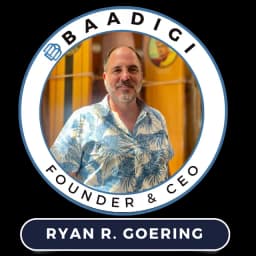
Ryan Goering
March 26, 2026
13 min read
Facebook & Instagram Ads for Remodeling Leads: From Scroll to Scheduled Consult
Q: What kind of baadigi.com/services/facebook-ads">Facebook/baadigi.com/services/facebook-ads">Instagram ads should I run if I want fewer tire‑kickers and more serious kitchen/bath remodeling leads?

Go ultra-specific and use your ads to filter, not just attract:

  • Focus on project-based creatives: short before/after videos and carousels of real kitchen and bathroom transformations in your area.
  • Call out service + city + project type in the headline/design (“Full Kitchen Remodels in [City]”, “Luxury Bathroom Renovations in [Area]”).
  • Mention things like “Full remodels only” or “Project minimums apply” if you want to repel tiny jobs.​
  • Use offers that signal seriousness: “Kitchen Design Consultation,” “Bathroom Remodel Planning Session,” not just “free estimate.”
  • Add a few qualifying questions to the Instant Form (project type, timeline, budget range) so you can sort out who’s worth a call.

That mix—real project visuals, specific offers, and light qualification—is exactly what’s recommended in high-performing remodeler Facebook playbooks and BaaDigi’s contractor guides.

Q: How can I set up my Meta ads so new leads automatically go into my CRM and get texted/emailed without my office having to jump on them right away?

You’ll want a simple lead automation stack:

  1. Connect Facebook Lead Ads (Instant Forms) directly to your CRM using:
    • Native integrations, or
    • A connector like LeadsBridge, Zapier, or similar.
      That way, every new lead hits your CRM within seconds instead of sitting inside Meta’s Lead Center.
  2. In your CRM/automation tool, set triggers:
    • “When a new Facebook lead is created → send SMS + email.”
    • SMS: quick intro + “Do you prefer to text here or schedule a call?”
    • Email: confirmation + brief overview of your process and next steps.
  3. Add a short follow-up sequence:
    • Day 1–2: a couple of gentle nudges if they don’t reply.
    • Day 3–7: a couple of value messages (project photos, FAQs) and a last “still interested?” ping.

That’s basically what BaaDigi’s Stability Engine does for contractors: auto-routes every Meta lead into a CRM, sends instant SMS/email, and runs multi-step follow-up so your office doesn’t have to babysit every notification in real time.

Q: What’s a realistic cost per lead and per booked consultation from Facebook/Instagram ads for a local remodeling company, and how do I know if it’s actually worth it compared to Google?

Benchmarks (not promises) for contractors/home services on Meta:

  • General contractor Facebook CPL averages often fall in the 30–100+ per lead range when campaigns are structured well.
  • Home services / construction CPL benchmarks from multiple sources show Construction tends to sit somewhat above global averages, but a 10–50 CPL is considered strong in many markets; high-ticket niches like remodeling may pay more but with bigger jobs attached.

What really matters is cost per booked consult and cost per job:

  1. Track:
    • Leads from Meta
    • How many become booked consultations
    • How many of those become signed jobs
    • Average job size from Meta leads
  2. Then calculate:
    • CPL = spend ÷ leads
    • Cost per consult = spend ÷ booked consultations
    • Cost per job = spend ÷ signed jobs
    • ROI = revenue from those jobs ÷ spend

Example: spend 2,000, get 30 leads (≈67 CPL), 12 consults, 3 jobs at 30k each. That’s 90k revenue on 2k ads—solid if your margins hold.

Compared to Google:

  • Google often has higher CPL but higher intent.
  • Facebook can deliver cheaper CPL but needs stronger nurture and filtering.

BaaDigi’s stance (and data) is: you judge Meta as part of the Predictable Work Engine—with tracking, Stability Engine follow-up, and a CRM—so you can see exactly whether Facebook is bringing in profitable remodeling jobs, not just cheap leads.

Most remodelers who “tried Facebook/Instagram ads” either got spam, tire‑kickers, or nothing at all. The platform isn’t the problem. The problem is running Meta ads as a standalone tactic instead of as part of a system that filters, follows up, and nurtures homeowners from the moment they tap your ad.

Used right, Facebook and Instagram are where you catch homeowners before they hit Google—while they’re still dreaming, planning, and saving ideas. Used with a Predictable Work Engine™ and the Stability Engine, they go from “cheap clicks” to a steady stream of design consultations on your calendar.


Why Facebook & Instagram Still Work for Remodelers in 2026

Homeowners are spending more time than ever on Meta properties looking at remodel inspiration, cost ranges, and contractor work.

For remodelers, Facebook/Instagram ads let you:

  • Show your best projects visually (before/after, walkthroughs, reels).
  • Target actual homeowners in your service area by age, income, home value, interests, and more.
  • Warm people up before they search “kitchen remodeler near me.”
  • Stay in front of people who visited your site or watched your videos but didn’t reach out yet.

The catch: none of that matters if those leads sit in your inbox, Meta’s lead center, or your messages for hours. That’s why BaaDigi treats Meta ads as one piece in a Predictable Work Engine™, with the Stability Engine handling speed-to-lead and follow-up.


Step 1: Decide the Role of Meta in Your Lead Engine

Facebook/Instagram should not replace Google or LSAs; they should layer in around them.

In a remodeling lead system, Meta ads are best used to:

  • Generate interest for bigger, design‑forward projects (kitchen, bath, additions, luxury upgrades).
  • Fill the top and middle of your funnel with people who aren’t yet searching on Google.
  • Retarget people who:
    • Visited your website,
    • Watched your videos,
    • Engaged with your posts or ads,
    • Opened but didn’t submit your lead form.

Think: Google for “I’m ready now”, Meta for “I’m thinking about it”—both feeding the same engine.


Step 2: Choose the Right Campaign Objectives and Formats

Stop boosting posts. Inside Ads Manager, you want full control.

For remodeling leads in 2026, two campaign types usually make the most sense:

  1. Lead Generation (Instant Forms)
    • Pros: Low friction, fast to set up, leads stay on Facebook/Instagram.
    • Cons: Can be lower intent if your filtering and follow-up are weak.
    • Best when paired with instant automation (Stability Engine-style) and strong qualifying questions.
  2. Conversion (Traffic to Landing Pages on Your Site)
    • Pros: Higher intent, better pre-qualification, easier to track in your full funnel.
    • Cons: Slightly higher cost per lead, requires a solid landing page.

A Predictable Work Engine™ will often run both: lead forms for quick capture and conversion campaigns for stronger intent and better data, all routed into one CRM and automation stack.


Step 3: Target Homeowners Who Can Actually Buy Your Work

The magic of Meta is in the targeting. Don’t spray your ads at everyone in your city.

For remodeling, build audiences that look like:

  • Location: Service radius or specific ZIPs where you actually want projects.
  • Age: 30–65+ is typical; bump higher for large remodels.
  • Homeowner + home value proxies: Use interests/behaviors like:
    • Home improvement, HGTV, home renovation shows.
    • Better Homes & Gardens, interior design, architecture.
    • DIY + home decor stores (Home Depot, Lowe’s) as signals.
  • Income / luxury: Layer on higher income/affinity for premium brands if you only want bigger jobs.​

Examples BaaDigi suggests for remodelers:​

  • Homeowners in [City] + Age 35–64 + Home Improvement interests.
  • Age 45–65 in high‑equity neighborhoods + Interior Design/Architecture interests.
  • Recent homebuyers in your area + DIY/Home decor interests for smaller but high‑intent projects.

Later, you can feed your own data (people who visited your site, leads, customers) back into Meta for lookalike audiences—something that works much better when your Predictable Work Engine™ and Stability Engine are already capturing and classifying leads cleanly.


Step 4: Use Creatives That Stop the Scroll (Remodeler Edition)

Remodeling is visual. Lean into that. In 2026, the best-performing creatives for remodelers are:


1. Short Transformation Videos

  • 10–30 second clips showing the space before → during → after.
  • Simple captions like “Outdated to wow in 8 weeks” or “From builder‑basic to custom kitchen.”
  • Use for both cold audiences and retargeting.

2. Bold Before/After Image Carousels

  • Slide 1: “Before” with a clear label.
  • Slide 2: “After” with your brand and a short benefit line.
  • Additional slides: other angles, details (tile, cabinetry, lighting).​

3. Process + Trust Creatives

  • Short explainers on “How Our 5‑Step Remodel Process Works.”
  • Text overlays: “Design–Build,” “Licensed & Insured,” “5‑Star Rated in [City].”
  • Client testimonial quotes or quick video testimonials.

4. Offer‑Driven Images

  • Simple graphics with text like “Free Kitchen Design Consult” or “Bathroom Remodel Planning Session – Limited Spots.”
  • Call out city and project type so low‑fit people self‑filter.

BaaDigi’s data across contractors shows that when creative is real, project-based, and specific, cost per lead drops and lead quality goes up—especially when layered with systems that filter and nurture.


Step 5: Make the Right Offers (Not Just “Free Estimates”)

“Free estimate” is wallpaper now. Homeowners see that from everyone. Give them a reason to talk to you.

For remodeling, better offers look like:

  • “Kitchen Design Consultation” – a 30–60 minute session to talk layout, finishes, and budget ranges.
  • “Bathroom Remodel Planning Call” – a quick call to map their project and timeline.
  • “Home Addition Feasibility Review” – assessing whether an addition makes sense for their lot and budget.
  • “Aging-in-Place Assessment” – for accessibility upgrades (grab bars, curbless showers, etc.).

These offers:

  • Signal you’re a pro with a process.
  • Attract more serious homeowners.
  • Give your ads and landing pages a clear hook.

The Predictable Work Engine™ then wraps that offer in automation: when someone claims it via Meta, they immediately get a confirmation, reminders, and follow-up, all handled by the Stability Engine.


Step 6: Build Instant Forms That Filter, Not Just Collect

If you use Instant Forms, don’t settle for name/email/phone only. You’ll drown in low‑intent leads.

Add a few light qualifiers:

  • Project type (Kitchen / Bathroom / Addition / Whole Home / Other).
  • Timeline (0–3 months, 3–6, 6–12).
  • Approximate budget range.
  • Zip code or city.

You can use “higher intent” forms that require a couple manual taps, like short multiple-choice questions, instead of prefilled everything—Meta’s own data shows this can improve lead quality.​

Then, connect those forms to your CRM/engine so every new lead instantly triggers:

  • SMS: “Hey [Name], thanks for reaching out about your [kitchen/bath/addition] in [city]. Want to text here or book a quick call?”
  • Email: confirming their request and introducing your process.

This is Stability Engine territory: bridging the gap between ad click and actual conversation so your sales process doesn’t rely on someone checking email every few hours.


Step 7: Send Clicks to Landing Pages That Are Built to Convert

If you’re running website conversion campaigns, send traffic somewhere worthy of the click.

A strong remodeling landing page for Meta traffic should include:

  • Headline: “Kitchen Remodeling in [City]” or “Luxury Bathroom Renovations in [City].”
  • Short intro: who you are, what projects you take (and don’t take), and service area.
  • Portfolio: before/after images, maybe a short reel or walkthrough.
  • Trust: reviews, badges, years in business, warranties, awards.
  • Process section: your steps from consultation to completion (simple visual).
  • Offer + CTA: “Schedule Your Design Consult” with both click‑to‑call and a tight form.

This matches what BaaDigi’s done for coastal remodelers and niche PPC: specific service pages that feel like a “micro‑site” for that type of project.

Once inside the Predictable Work Engine™, these pages are tracked per campaign, so you can see which combos of audience + ad + page actually generate booked consults and jobs.


Step 8: Retarget Like a Pro (Where Meta Really Shines)

Most of your best remodeling clients won’t convert on the first touch. Retargeting is where Facebook/Instagram punch above their weight.

Build retargeting audiences for:

  • Website visitors in the last 30–90 days.
  • People who watched 50–75%+ of your videos.
  • People who opened but didn’t submit your lead form.
  • Past leads and customers (via custom lists).

Then show them:

  • Project galleries and transformations.
  • Testimonials and case studies.
  • Reminders of your design consult / planning offers.
  • Seasonal prompts (“Thinking about updating your kitchen before the holidays?”).

In BaaDigi’s integrated campaigns, these retargeting flows are often where ROI spikes—especially when email and SMS nurture are also in the mix, not just ads alone.


Step 9: Let the Stability Engine Handle Speed-to-Lead and Nurture

Here’s the ugly truth: without fast follow-up, Meta leads look bad on paper because people submit forms on their couch and forget about you 20 minutes later.

The Stability Engine solves that by:

  • Pulling every Meta lead (Instant Form or landing page) into one system automatically.
  • Firing instant SMS and email responses (no human delay).
  • Routing hot leads to calls and scheduling, while tagging others for nurture.
  • Running multi‑step follow-up sequences (texts, emails, reminders) over days/weeks, not just one call and done.

Real contractor data shows that when you combine Facebook/Instagram + automated follow-up + nurture, cost per appointment and cost per contract drop dramatically, even if the cost per lead stays similar.


Step 10: Track the Numbers That Actually Matter

Likes and impressions don’t pay your crews. Inside a Predictable Work Engine™, Meta is judged on the same standards as Google:

  • Leads per campaign and ad set.
  • Cost per lead (CPL).
  • Lead-to-appointment rate.
  • Appointment-to-job close rate.
  • Cost per job and revenue per job from Meta leads.

BaaDigi’s contractor benchmarks show that when Facebook/Instagram is treated as a system component (integrated with SEO, Google, CRM, and AI nurture), typical CPL in home services can land in the 40–100+ range with strong margins and 300–600%+ ROI—not as a magic bullet, but as a well-integrated channel.


How Meta Ads Plug Into a Predictable Work Engine™

On their own, Facebook and Instagram are just attention and clicks. Inside BaaDigi’s Predictable Work Engine™, they plug into a four-layer system:

  • Traffic: Meta sends targeted homeowners (based on life stage, interests, and behavior) into your funnel.
  • Trust & Capture: Landing pages and Instant Forms tuned to your offers, services, and ideal projects.
  • Stability (Follow-Up): AI + automation catching every lead instantly, qualifying, and nurturing over time.
  • Tracking & Strategy: Dashboards showing which audiences, creatives, and offers lead to actual remodeling jobs and revenue.

That’s how you move from “we tried Facebook—lots of junk” to “Meta is one of the knobs we turn when we want more high‑value remodeling consultations next month.”

If you want, next step we can bolt on an FAQ block for this post (budgets, lead quality vs Google, Instant Forms vs website, etc.) or map this into the overall “Remodeling Leads” topic cluster so internal links are dialed in.


FAQ: How much should I budget for Facebook & Instagram ads for remodeling?

Most remodelers see meaningful data starting around 1,000–2,500 per month per market, especially if you’re focused on 1–2 project types (like kitchen and bathroom). The key is starting narrow—with clear targeting, strong offers, and proper follow-up—then scaling once you know your cost per lead, cost per appointment, and cost per signed job.


FAQ: Are Facebook/Instagram leads as good as Google leads?

They’re different, not better or worse. Google leads tend to be “I’m ready now” because people are actively searching for a remodeler. Meta leads are often earlier in the journey—scrolling for ideas and inspiration—so they usually need more education and follow-up. When you have a solid nurture system (texts, emails, retargeting), Meta can produce very profitable projects, especially for design‑heavy remodels and larger jobs.


FAQ: Should I use Instant Forms or send people to my website?

Both can work, but they behave differently:

  • Instant Forms: easier to submit, usually cheaper leads, but can skew lower-intent if you don’t qualify and follow up fast.
  • Website conversions: slightly higher cost per lead, but generally higher intent and better pre-qualification.
    A lot of remodelers do best running both: quick capture with Instant Forms plus stronger, more detailed leads from landing pages—then letting their CRM and automation handle all leads in one place.

FAQ: How do I avoid junk or low-intent leads from Meta?

Three big levers:

  1. Target only homeowners in your service area with the right age and interest filters.
  2. Use clear, specific creatives and offers (e.g., “Full Kitchen Remodels,” “Project Minimums Apply,” “Design–Build in [City]”).
  3. Add qualifying questions to your forms (project type, timeline, budget) and wire those leads into a system that responds instantly and disqualifies bad fits early.

FAQ: How does the Stability Engine help with Facebook & Instagram leads?

The Stability Engine handles the “boring but critical” stuff: it automatically captures every Meta lead, sends instant text/email replies, schedules or prompts follow-up, and runs multi‑step nurture sequences for people who aren’t ready yet. That means your team isn’t manually chasing every form in real time, and your Meta ad spend turns into more booked consults instead of a bunch of forgotten notifications.

Ready to build a predictable remodeling lead pipeline?

BaaDigi builds custom lead engines for remodeling contractors.

Get Your Free Strategy Call
remodelingFacebook adsInstagram adssocial media marketinglead generation
Ryan Goering

Ryan Goering

CEO & Founder, BaaDigi

U.S. military veteran and digital marketing strategist who built BaaDigi to help contractors generate predictable leads and revenue. 15+ years in SEO, PPC, and AI-powered marketing automation.

Ready to Get More Leads?

Get a free marketing audit for your contracting business. We'll show you exactly where you're losing leads.

Get Your Free Audit