Is Restaurant Email Marketing Worth It?
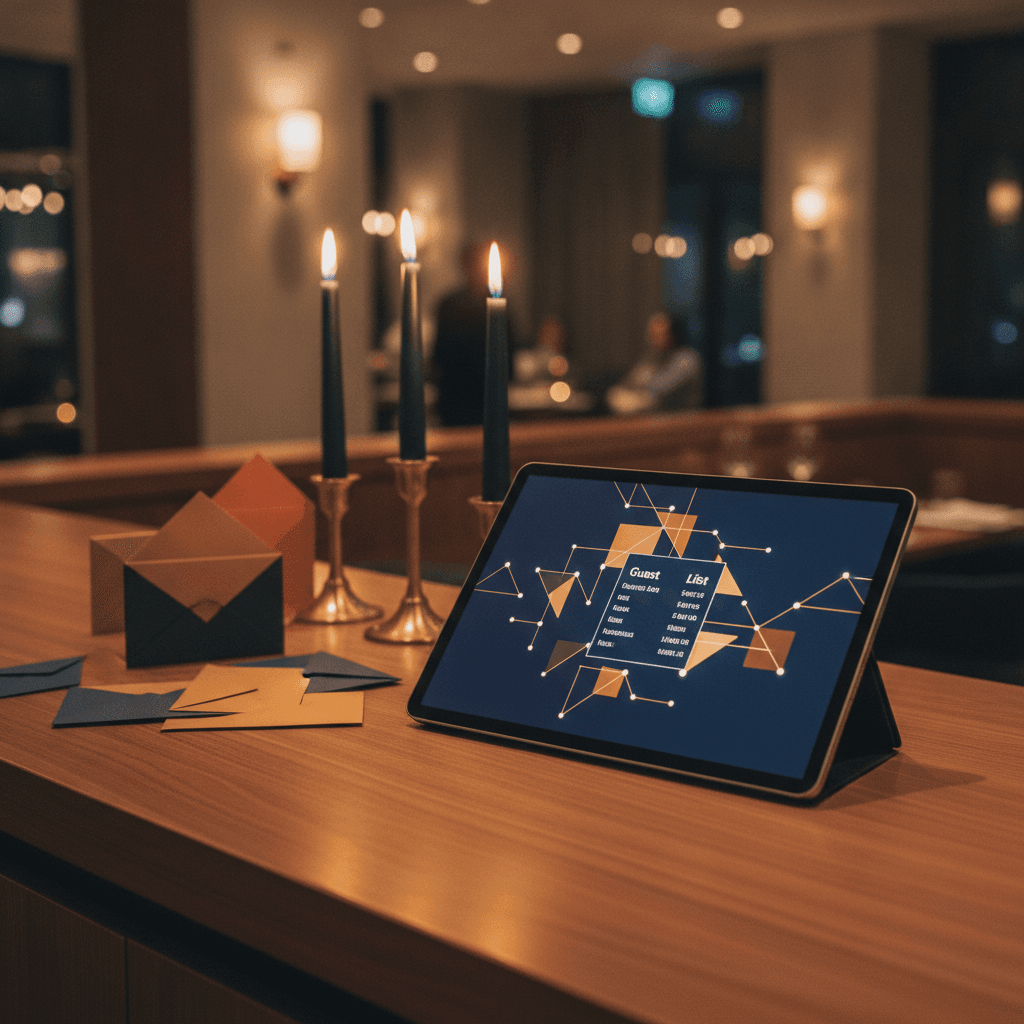
Is restaurant email marketing worth doing?
Restaurant email marketing is worth it when the list is permission-based, each send announces something real and you measure reservations and seated guests, not open rates. Keep the signup promise, honor opt-outs and keep the unsubscribe link working for at least 30 days after each send, as the FTC's CAN-SPAM guide requires. An email address is not proof a guest will return.
Can an AI agent actually use your website?
AI agents are starting to visit sites on a customer's behalf — comparing companies and requesting quotes. We run the same agentic browsing checks Google built into Chrome and show you what an agent hits when it lands on your site. No email to run it.
By Ryan Goering, founder and CEO of BaaDigi. We sell restaurant marketing, so treat the message table as our recommendation; the legal points link to the FTC, and the one profile figure is from our own client accounts.
Last updated: September 2026.
Email is one part of the guest relationship. Subscribers can include future visitors as well as previous diners, and not every sent message reaches an inbox or gets read. Use the channel for a specific purpose rather than assuming it is always the cheapest or highest-return way to fill tables.
How should guests join the list?
Offer a clear signup opportunity on the website, at the venue or through an appropriate reservation or ordering process. Explain what the restaurant will send and how someone can stop it. Keep the signup source and the preferences supplied. A booking confirmation address and a marketing subscription are different records.
Check your platform’s export rights and sending rules before moving guest data. Do not buy or scrape a list as a shortcut to a restaurant audience. This is a permission-led operating recommendation, not a claim that U.S. federal email law requires prior consent for every commercial message.
Which messages serve a clear purpose?
| Message | Use when | Check first |
|---|---|---|
| Welcome | A person signs up for the stated updates | The promise, menu link and unsubscribe path |
| Menu or event update | There is a real change or occasion to announce | Dates, prices, availability and booking destination |
| Quiet-shift invitation | The restaurant has a specific service period to fill | Capacity and whether the offer is financially worthwhile |
| Return invitation | A relevant message fits the guest’s preferences | What the visit history actually shows and the contact permission |
| Post-visit message | The visit is recorded and the message is appropriate | Actual completion and an honest, unincentivized feedback request |
These are possible messages, not six automations every restaurant must run. Avoid collecting personal details you do not need. A missing reservation record does not prove someone has not visited as a walk-in.
Is your own website costing you leads?
Free scan — speed, mobile, local visibility, and lead capture. Results in about 30 seconds.
What should a U.S. commercial email include?
The FTC’s CAN-SPAM business guide covers accurate sender information, nondeceptive subjects, appropriate advertising identification, a valid postal address and a clear opt-out. It requires honoring opt-outs within 10 business days and keeping the mechanism available for at least 30 days after sending. Outsourcing does not remove the business’s compliance responsibility.
Message purpose matters: a reservation confirmation and a promotional invitation can have different treatment. Provider requirements and other applicable rules may add obligations. Use the current guidance for the actual campaign rather than treating a checklist as blanket legal clearance.
How can you test a send before releasing it?
- Confirm the audience selection and suppression of opted-out contacts.
- Verify dish names, prices, dates, location and availability with the restaurant.
- Open the email on a phone and follow the menu and booking links.
- Check the correct venue and event appear at the destination.
- Test the unsubscribe process and confirm someone owns replies.
Send only when there is something useful to communicate. Choose a manageable cadence and review complaints, delivery problems and opt-outs without assuming any single metric tells the whole story.
Which results should you trust?
Keep sends, delivered messages, clicks, reservations and seated guests separate. Apple’s Mail Privacy Protection can prevent senders from learning whether an email was opened. An open-rate report is therefore not a reliable count of people who read your invitation.
Connect bookings and offer redemptions when your systems allow it, then account for cancellations and no-shows. Compare contribution after the offer and service costs. Subscribers may already be more loyal than other guests, so a higher repeat-visit rate alone does not prove the email caused the difference.
How does email connect with the wider plan?
Use local restaurant SEO to support discovery, an accurate menu and a working booking route to help selection, and relevant communication to support return visits. The restaurant marketing guide joins those decisions, while the restaurant sales guide keeps revenue and contribution separate.
Email works on guests who already found you; search still supplies the first visit. Across 39 client Google Business Profiles BaaDigi tracks (Sep 2025–Aug 2026), profiles produced 10,233 calls and 44,699 website clicks. The website is where the signup form lives, so the profile and the list are one funnel.
Editorial correction: Unsupported claims of the highest return, guaranteed delivery and triggered-email superiority have been removed. No universal restaurant email revenue forecast is established here.
Free website audit — see what's costing you leads
No email required. Takes 2 minutes. Completely free.
Frequently Asked Questions
Should every guest’s reservation email join the marketing list?▼
Not automatically. A reservation email is an operational record: use it to confirm, remind and follow up on that booking. Marketing is a separate permission. Ask at the point of booking, on the website or at the table whether the guest wants menu and event updates, say what you will send, and record the answer with its source. Check the export terms of your reservation platform before moving any address into a marketing tool. Keep opt-outs and preferences attached to the contact so a guest who declined promotions does not get the next one because a second system imported the same address.
How often should a restaurant send marketing email?▼
As often as you have something real to say: a menu change, an event, a shift you want to fill. No fixed weekly or monthly cadence is proven.
Can a high open rate prove an email filled tables?▼
No. Apple's Mail Privacy Protection hides opens, and a real read is still not a reservation. Use booking links, redemptions and guest records, then subtract cancellations and no-shows. Subscribers may already be your loyal guests, so a higher repeat rate alone does not prove the email caused it.
Popular Contractor Marketing Guides
Roofing SEO by City
We serve contractors nationwide — based in Orange County, CA
Explore More Topics
Ready to Get More Leads?
Get a free marketing audit for your contracting business. We'll show you exactly where you're losing leads.
Get Your Free AuditRelated Articles
How Can You Increase Restaurant Sales?
Diagnose restaurant sales using visits, average spend and service capacity, then test improvements against real costs and dining outcomes.
What Should Restaurant Local SEO Fix First?
A restaurant local-search checklist for truthful profiles, readable menus, booking links, reviews, structured data and measurable outcomes.
What Should Restaurant Marketing Fix First?
Fix accurate menus, hours and booking paths before adding restaurant campaigns. Assign update ownership and separate visibility from seated guests.